


Construction Loans
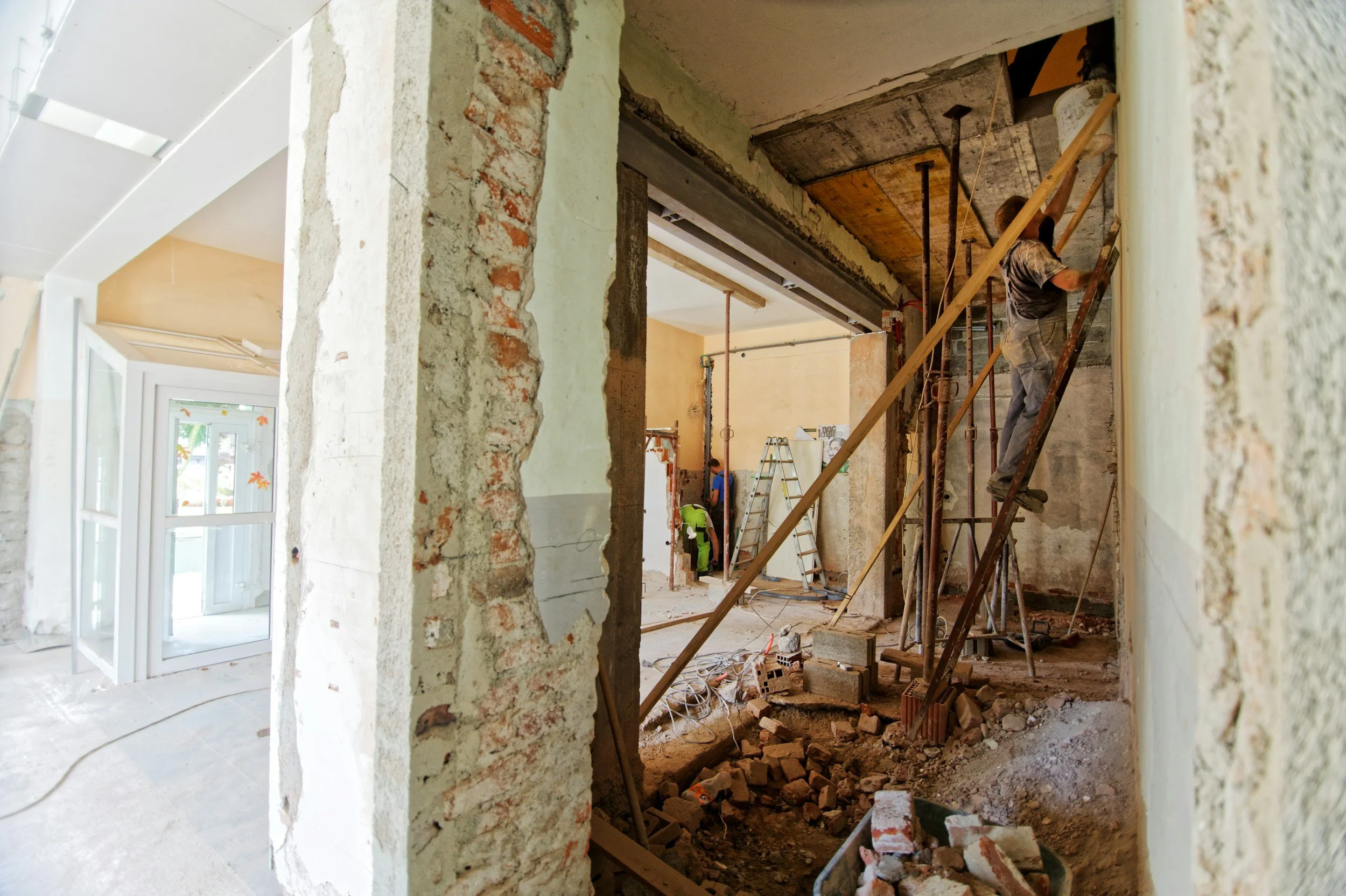
Construction lending is more complex than a standard home loan. Lenders assess not just you as a borrower, but the land, build contract, builder, valuation and construction timeline too.
Before you commit to land, sign a building contract or proceed with a knockdown rebuild — we help you understand exactly where you stand with lending first.
What is a residential construction loan?
A residential construction loan funds the build or structural renovation of a property.
Depending on the lender and project specifics — including zoning, title structure and purpose — residential lending can often apply to projects involving up to three or four dwellings.
Common construction scenarios
Buying land and building later
Some clients purchase land first, then arrange construction finance when they're ready to build. This can work well — but timing matters. Lenders will want to understand the full picture, including construction costs, remaining savings and whether the overall plan stays affordable once the build begins.
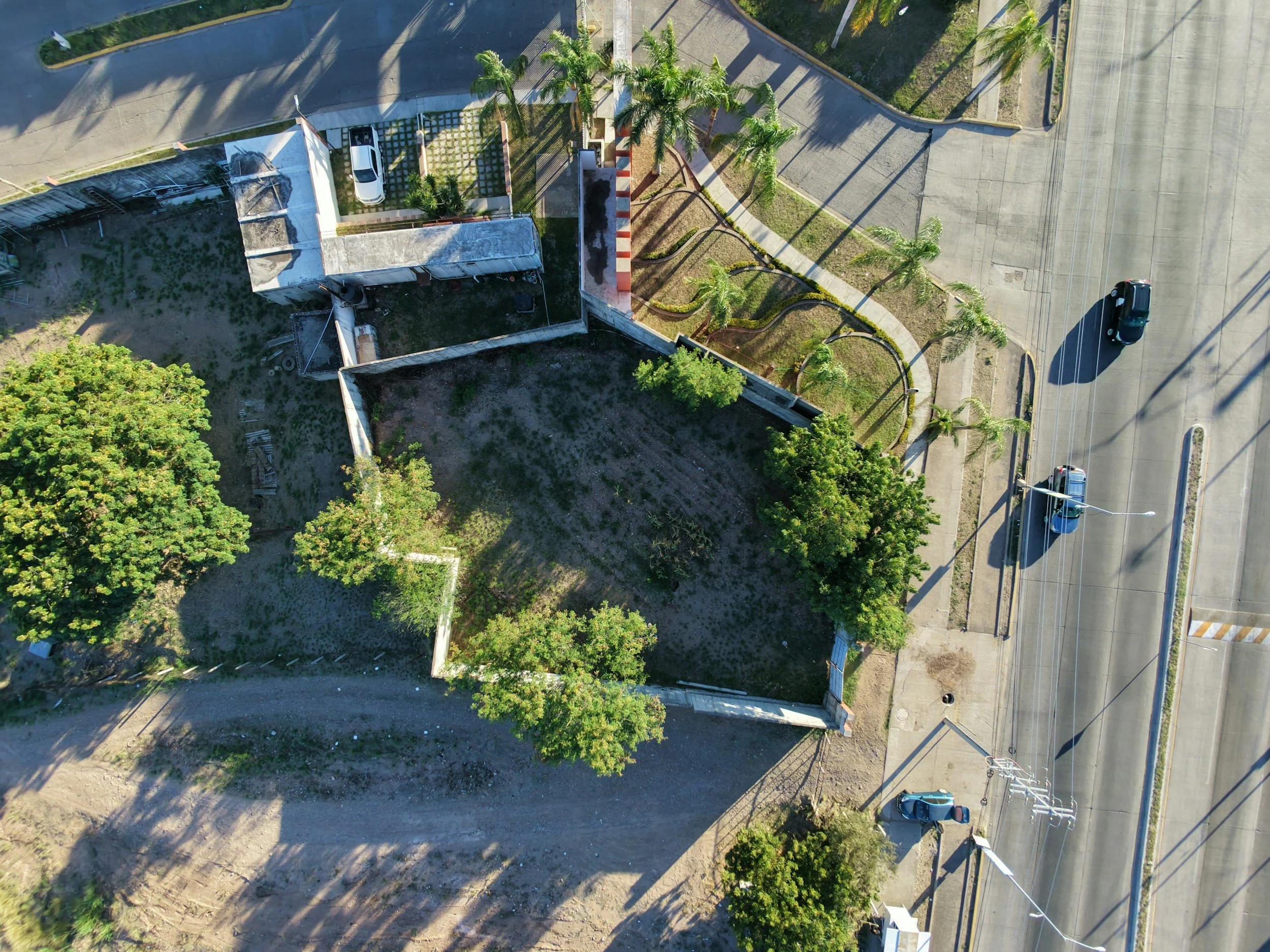
Construction on land you already own
If you already own the land, the lender will assess its value, any existing debt, the proposed build cost and your ability to contribute funds where required.
This can be a simpler structure, but still needs careful planning. Most lenders will require a fixed-price building contract and an 'as if complete' valuation before approving construction funding
House and lad package
A house and land package involves buying land and signing a separate building contract, or purchasing through a builder or developer arrangement.
For eligible first home buyers, this can be a strong option — you may have access to the Federal Government's 5% Deposit Scheme and, in NSW, transfer duty assistance on vacant land, subject to price thresholds and scheme rules."

Knockdown rebuild
A knockdown rebuild involves more moving parts — existing mortgage, demolition costs, temporary accommodation and construction funding all need to be considered together.
Lenders will want to understand how demolition is funded, whether the loan stays in place during the build and whether the completed value supports the total borrowing.
Typical construction loan timeline
Every build is different, but many residential construction projects follow a similar pathway.
-
Before signing a land contract or building contract, it is important to understand your borrowing capacity, deposit position and whether the proposed project fits lender policy.
This is especially important for first home buyers, self-employed borrowers, clients using grants or schemes, and anyone relying on equity from another property.
-
If land is being purchased, the lender assesses the land contract, deposit, settlement timeframe and the future construction plan.
If the land is already owned, the lender reviews the title, existing loan position, land value and proposed use.
-
The lender will usually need details of the builder, the building contract, plans, specifications, inclusions and construction cost.
Many lenders prefer a fixed-price building contract from a licensed builder. Variations, provisional sums and allowances need to be understood because they can affect the client’s cash position during the build and in most instances, must be approved by the lender before proceeding with the change/variation.
-
A lender valuation is usually completed on an “as if complete” basis. This means the valuer assesses the expected value of the property once construction is finished.
The valuation result can affect the loan amount, loan-to-value ratio and how much cash contribution is required.
-
Once the lender is satisfied with the borrower, land, contract, builder and valuation, formal approval can be issued.
Loan documents are then prepared and signed before settlement or construction funding begins.
-
Construction loans are usually paid in stages, commonly linked to progress milestones such as slab, frame, lock-up, fixing and completion.
The lender may inspect or verify each stage before releasing funds. Borrowers should allow for timing gaps between builder invoices, lender checks and payment releases.
-
At completion, the lender may require final documents, occupancy certificates, insurance confirmation and a final inspection before the last payment is released.
Once the build is complete, the loan may convert to principal and interest repayments, depending on the original loan structure and lender terms.
Why remaining savings matter

Landscaping

Driveway

Fencing
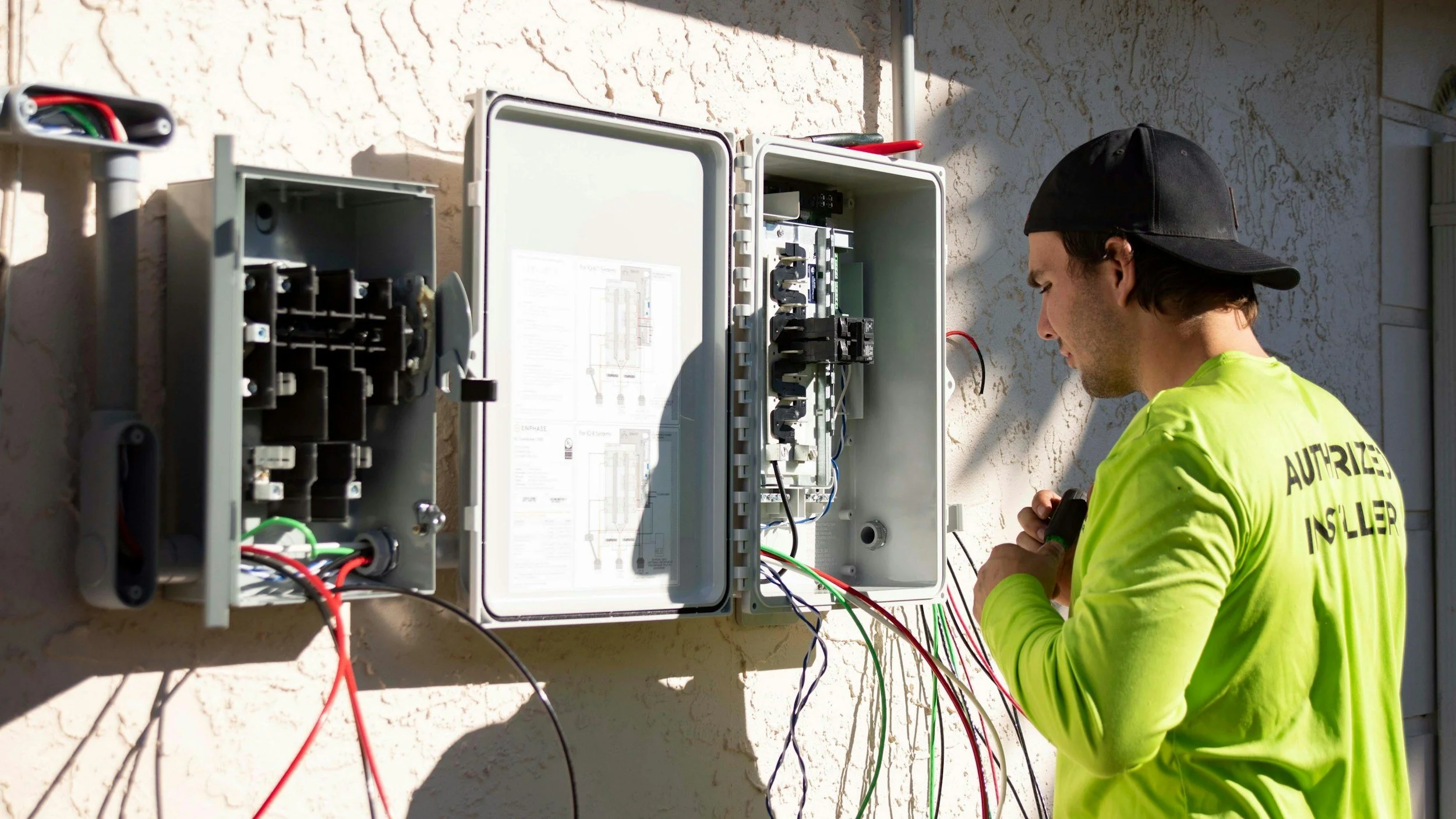
Utilities

Appliances

Variations
A construction contract doesn’t always capture every cost.
Loan approval is only part of the plan - you also need a cash buffer to cover costs that arise during or after the build.
Contracts and documents lenders may request

The exact requirements depend on the lender and project, but it commonly involves:
Signed Contract of Sale for the land contract (if purchasing)
Fixed Price Building Contract including progress payment schedule
“As If Complete” property valuation
How Novaseed helps
We help review:
Borrowing capacity
Deposit and remaining savings
Land and construction contract timing
Builder and contract requirements
First home buyer scheme considerations
Valuation and lender policy risks
Progress payment structure
Whether the proposed loan structure is suitable for the project
The aim is to give you a clearer view of what needs to happen before you sign, settle or start building. crafted to elevate what matters most.
Residential Construction Loans FAQ
-
A residential construction loan is usually drawn down in stages as the build progresses. Instead of receiving the full loan amount upfront, funds are released through progress payments linked to construction milestones such as slab, frame, lock-up, fixing and completion.
-
Yes, you may be able to apply for construction finance if you already own the land. The lender will usually assess the land value, any existing debt, the proposed building contract, your income position and the expected value of the completed property.
-
Yes, this is common. Some clients purchase the land first and arrange construction finance later. The main risk is timing. Your borrowing capacity, savings position, building costs and lender policy may change between land settlement and the construction loan application.
-
Potentially, yes. First home buyer schemes may apply to eligible house and land packages or vacant land purchases, depending on the scheme, property value, location, lender participation and your personal circumstances. These rules change, so eligibility should be checked before you sign a contract.
-
A house and land package usually involves purchasing land and entering into a building contract for the construction of the home. The land and build may be arranged together, but lenders still need to assess the land contract, builder, construction contract, valuation and your financial position.
-
A knockdown rebuild loan helps fund the demolition of an existing home and construction of a new one on the same site. These applications can be more complex because the lender may need to consider the existing mortgage, demolition timing, temporary accommodation, building contract and completed property value.
-
Some lenders may consider owner-builder scenarios, but many residential construction lenders prefer or require a licensed builder under an acceptable building contract. Novaseed generally focuses on residential construction loans where a licensed builder is engaged.
-
Some lenders may assess construction of up to three dwellings, and in limited cases four, under residential lending. This depends on the lender, zoning, title structure, loan purpose, borrower profile and whether the project is considered residential, commercial or development finance.
-
Common documents include the land contract, building contract, builder licence, plans and specifications, progress payment schedule, council approval or complying development certificate, income documents, savings evidence, existing loan statements and identification. Requirements vary by lender and project.
-
Many lenders prefer a fixed-price building contract from a licensed builder. Contracts with large provisional sums, allowances or uncertain costs may need closer review because they can affect valuation, funding approval and the cash buffer required during the build.
-
Progress payments are staged payments made to the builder as construction milestones are completed. A typical progress payment schedule may include slab, frame, lock-up, fixing and completion, although the exact stages depend on the contract and lender requirements.
-
There's no set rule on how much you need to keep in savings after settlement or completion — but we always recommend holding onto a buffer where possible. New builds often come with costs outside the main contract: landscaping, fencing, window coverings, driveways, utility connections, furnishings and unexpected variations all add up.
-
You may be able to make changes, but variations can affect cost, timing, valuation and lender approval. Large variations should be reviewed carefully before they are agreed to, especially if they increase the total project cost or require additional funds.
-
Ideally, before signing a land contract or building contract. Early assessment helps identify borrowing capacity, deposit requirements, scheme eligibility, valuation risks, lender policy issues and whether you will have enough funds to complete the project properly.