


CONSTRUCTION & DEVELOPMENT FINANCE
Finance that builds more than property.
From land acquisition to project completion, we structure finance that supports your plan, your cash flow and your growth.
Credit expertise


Specialist lenders

Tailored finance

Clear guidance

Ongoing support

Construction and development finance covers more complex projects - multi-dwelling developments, land subdivision, commercial construction, residual stock and post completion refinance.
If you are building a home or duplex, buying a house & land package, or completing a knockdown and rebuild, see our Residential Construction Loans page.
The Reality of Development Projects
Most projects look strong on paper, but the real pressure builds during delivery.
Cash flow doesn’t move as expected
Costs shift mid-project
Timelines stretch
Valuation returns lower
Pre-sales are delayed
Where things start to break

How We Approach Your Project
We assess your deal the way a credit team would — before it ever reaches a lender.
Who is this for
Property developers
Builders managing active projects
Investors working across multiple sites
Projects with tight margins or complex structures

Common Project Types
Duplexs
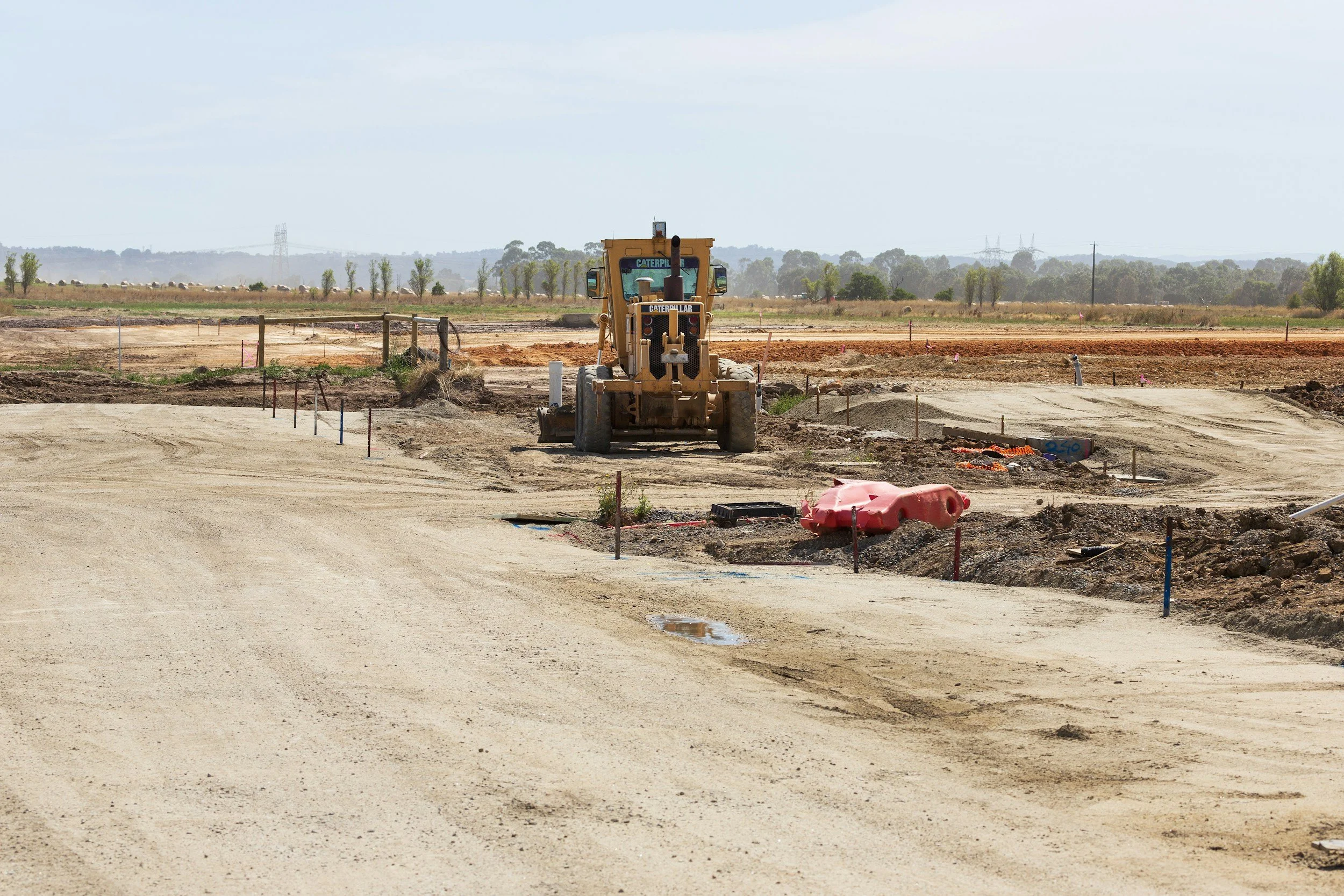
Site acquisition plus construction
Townhouses
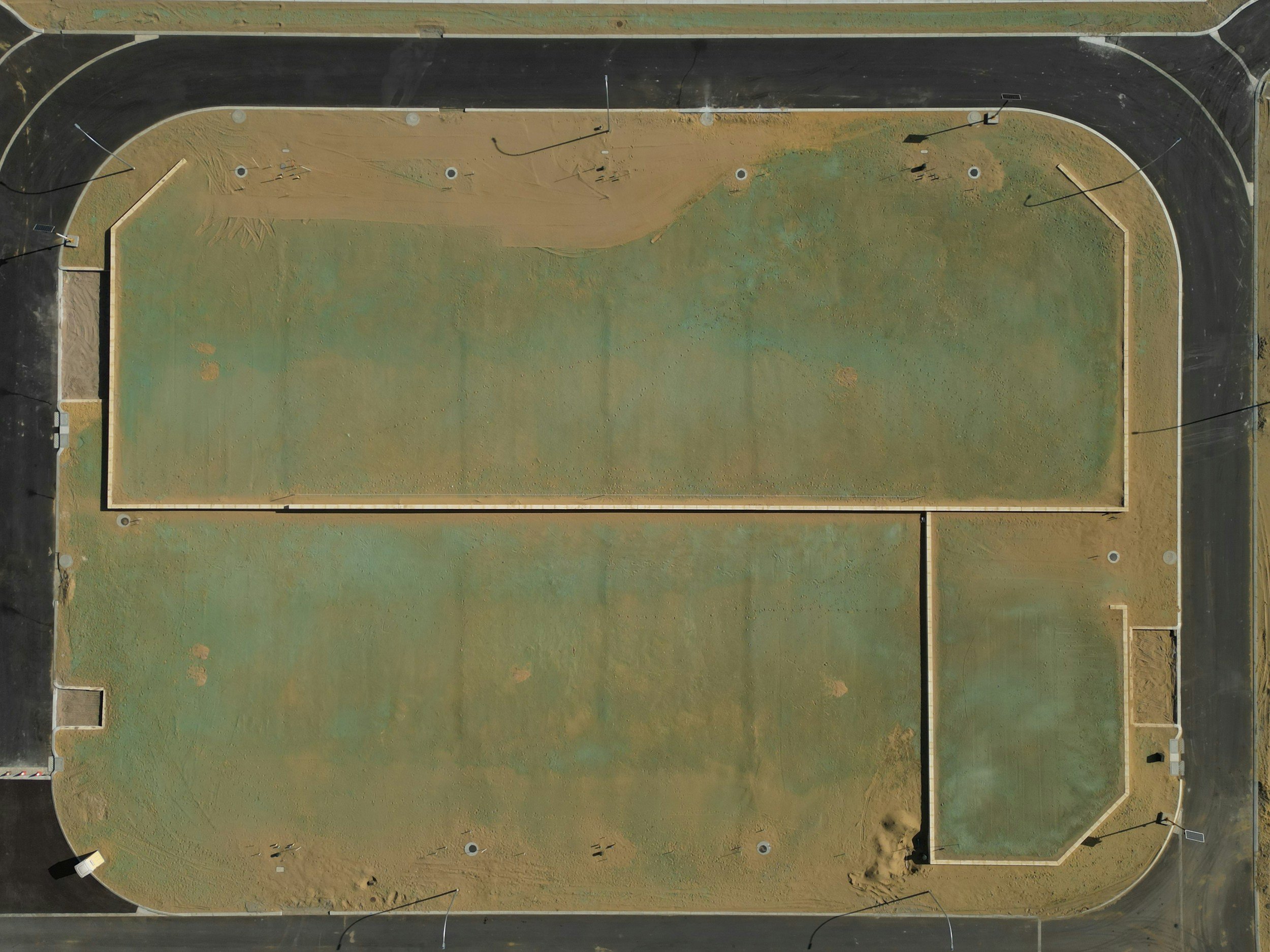
Land subdivision
Small multi-dwelling projects

Mixed use projects
Residual or Retained stock

Commercial construction
What lenders usually assess
Borrower and developer experience
Project feasibility
Total development cost
Gross realisation value
Loan-to-cost ratio
Loan-to-value ratio
Planning approval status
Builder and construction contract
Pre-sales, if required
Valuation
Quantity surveyor report
Contingency allowance
Borrower contribution
Existing debt
Exit strategy
Feasibility, contingency and cost control
A development proposal needs to show more than just expected sale proceeds. Lenders will want to see the full project cost — land, construction, consultants, approvals, interest, contingency, selling costs and existing debt.
Weak contingency or unrealistic cost estimates can cause problems, even when a project looks profitable on paper.
Lets break it down
Pre-sales, valuation and exit strategy
Some lenders may require presales before funding a development project. Others may rely more heavily on borrower strength, security, equity contribution or project type.
The valuation and exit strategy are critical. The lender needs to understand how the loan will be repaid, whether through completed sales, refinance, retained investment debt or another clearly supported exit.
Builder, QS and contract requirements
Depending on the project, the lender may need to review the builder, construction contract, fixed-price tender, progress payment schedule, insurance and quantity surveyor reporting.
A quantity surveyor may be required to review the cost to complete, progress claims and project risk throughout the build.
Let’s Structure It Properly
Construction & Development Finance FAQ
-
It is specialist funding for property projects that go beyond a standard single home build — including duplexes, townhouse developments, multi-dwelling projects, land subdivision, commercial construction and site acquisition combined with construction.
-
Yes. A residential construction loan is generally used for a single home, house and land package or knockdown rebuild. Development finance is for larger or more complex projects. Lenders assess the project differently — looking at feasibility, presales, valuation, construction risk and how the loan will be repaid at the end.
-
Most lenders require a contribution of between 20% and 35% of total project cost. This can come from cash, land equity or a combination of both. The right amount depends on the lender, the project type, your experience and the overall deal structure.
-
Mezzanine finance is a secondary layer of funding that sits behind the senior lender and ahead of the borrower’s equity. It is generally used to help bridge a funding gap where the senior debt and borrower contribution are not enough to complete the project.
It can be useful for experienced developers who need additional leverage, but it is usually more expensive and more complex than senior debt. It should only be considered where the feasibility, exit strategy and project risk are clearly understood.
-
In many cases, yes. The lender will assess the current value of the land, any existing debt secured against it, and whether the equity position is sufficient to support the proposed project.
-
Some do, some don't. It depends on the lender, the project type, the equity contribution and the borrower's experience. Where presales are not required, lenders will typically want stronger equity, a well-supported feasibility and a clear exit strategy.
-
It is possible. Lenders will look closely at the quality of the project, the builder's experience and track record, the feasibility, and how the loan will be repaid. A well-structured deal with an experienced builder improves your position significantly.
-
A quantity surveyor provides an independent assessment of construction costs and certifies that work has been completed at each stage before drawdown funds are released. Most lenders require a QS report as part of their approval and ongoing monitoring process.
-
GRV is the estimated total sale value of the completed project — the sum of all individual sale prices if every dwelling or lot were sold. Lenders use GRV when determining the maximum loan amount and assessing whether the project has a viable exit.
-
Loan-to-cost is a ratio that compares the proposed loan amount to the total cost of the project. Total cost typically includes land, construction, consultants, approvals, interest, contingency and selling costs. It is one of the key metrics lenders use to assess how much they are willing to lend.
-
Requirements vary by lender, but commonly include a project feasibility, planning approval or DA, building contract, builder details, independent valuation, quantity surveyor report, presale contracts where applicable, a detailed cost breakdown, evidence of the borrower's equity contribution and a clearly supported exit strategy.
-
In most cases, yes. Lenders typically require a personal guarantee from the directors or principals behind the borrowing entity. This means that if the project cannot repay the debt, the individuals behind the deal may remain personally liable for any shortfall.
-
Banks tend to suit lower-risk, well-documented projects with strong presales and established borrowers. Non-bank and private lenders can move faster, accept more complex scenarios and offer more flexible structures — though this typically comes at a higher interest rate.
-
Possibly. Some lenders will refinance a completed project or provide a facility against unsold stock, depending on the valuation, sales position, rental income, borrower profile and lender appetite at the time.
-
Before you commit to a site, sign a building contract or lock in a presale strategy. Early engagement helps identify whether your project is fundable, what equity you will need, what documents to prepare and which lenders are likely to support your deal — before timing becomes a pressure.
-
A feasibility study sets out the financial viability of a development project. It usually includes the site cost, construction cost, professional fees, finance costs, contingency, expected sale values, GST assumptions, selling costs and projected profit margin.
Most lenders will want to understand the project feasibility before assessing development finance. For smaller projects, this may be a detailed feasibility summary. For larger or more complex projects, a more formal feasibility may be required.
-
There is no single profit margin that applies to every development project. Lenders usually assess the margin against the project type, borrower experience, location, presales, construction risk, funding structure and current market conditions.
As a broad principle, lenders want to see enough margin to absorb cost increases, sales delays, valuation movement and other project risks. A thin margin can make a project harder to fund, even where the end values appear strong.
-
If a builder goes into liquidation, the project may face delays, additional costs, contract issues and lender review before further funding is released. The borrower may need to appoint a replacement builder, obtain updated costings, confirm insurance position and satisfy the lender that the project can still be completed.
For residential building work in NSW over the relevant threshold, home building compensation cover may apply in some cases where a builder cannot complete work due to insolvency. Legal, insurance and lender advice should be obtained quickly if this happens.
-
Yes, private or non-bank lenders may be an option for some development projects, particularly where the project does not fit major bank policy. This may include lower presales, tighter timeframes, unusual securities, higher leverage requirements or more complex borrower structures.
The trade-off is that non-bank and private funding can have different pricing, fees, terms, controls and exit requirements. The structure should be reviewed carefully before proceeding.
-
A residual stock loan is finance secured against completed but unsold property stock. It may be used after a development is complete where some units, townhouses or lots remain unsold.
This type of loan may help refinance construction debt, provide more time to sell remaining stock, or release capital for another project. Lenders will assess the completed value, sales history, remaining stock, market demand, existing debt and exit strategy.
-
Approval timeframes vary depending on the lender, project complexity, valuation, quantity surveyor review, presales, borrower structure and whether all documents are ready.
Simple transactions may move faster, while complex development finance can take longer because the lender needs to assess the project, borrower, security, feasibility, builder, valuation and exit strategy. The safest assumption is to prepare early and avoid leaving finance approval until the project is time-sensitive.
-
Yes, many development projects are completed through a company, trust or special purpose vehicle. The right structure should be reviewed with an accountant or solicitor before contracts are signed.
From a lending perspective, the lender will usually review the borrowing entity, directors, guarantors, asset position, financials, project feasibility, tax structure and security being offered.
-
There is no single contingency buffer that suits every project. The appropriate allowance depends on project size, construction type, builder contract, cost certainty, approval status, site risk and lender requirements.
A weak contingency can create problems if costs increase or timelines stretch. Novaseed generally recommends reviewing the contingency early, rather than assuming the project can absorb overruns later.